Export-ready custom machine solutions

Built around your part, process, and output target.

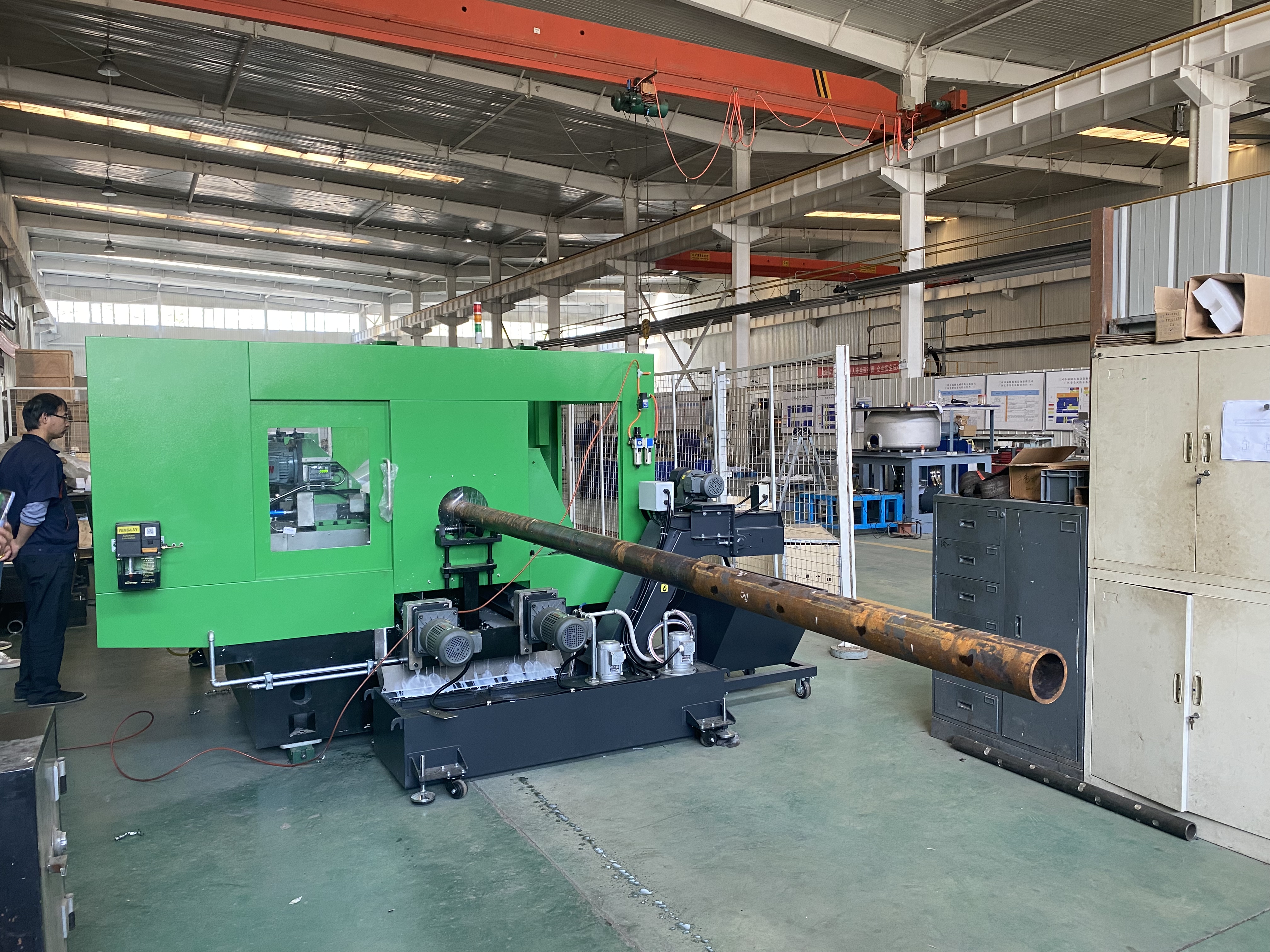
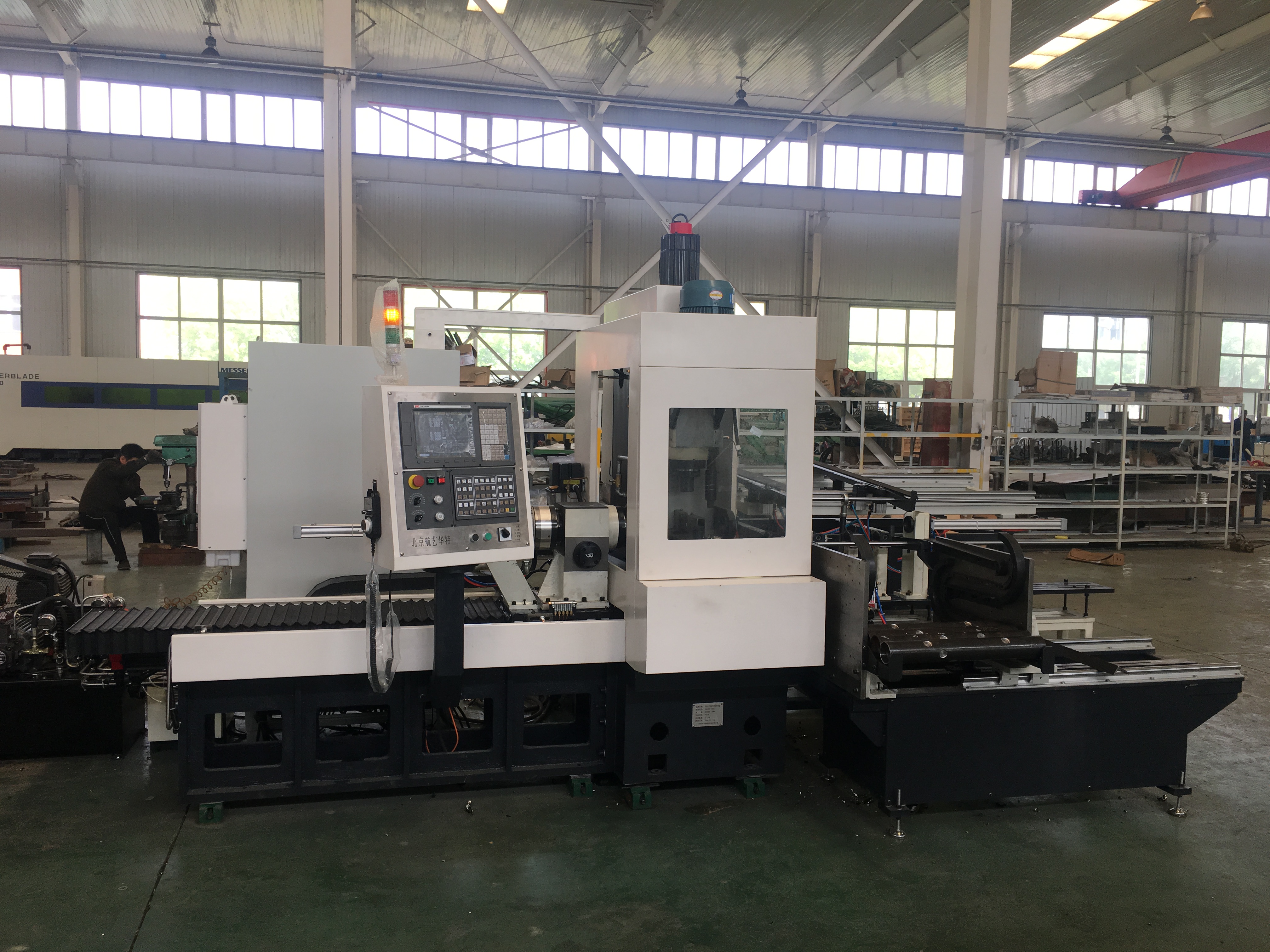
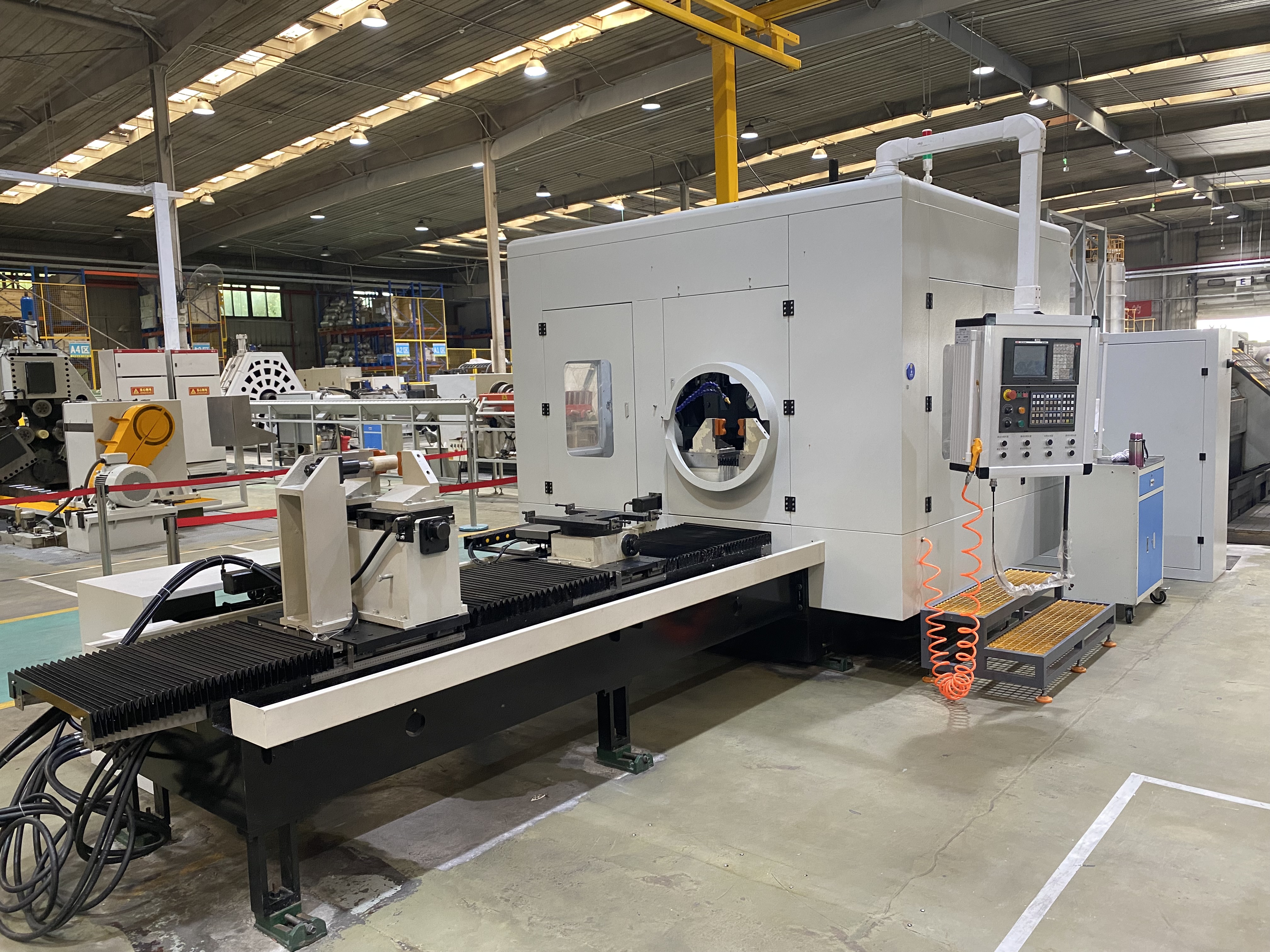
We supply custom machines for fasteners, perforating gun blind holes, and cylinder neck machining, covering process review, machine definition, automation options, and delivery support.

4 specialized solution families
3 English, Chinese, and Spanish support
1 review-to-delivery support

Custom machines for dedicated production

Four core solution groups: long-tube blind-hole machines, short-tube blind-hole machines, Type III / IV cylinder neck machining, and fastener equipment.

Core capabilities

Our custom machine solutions combine process integration, automation flexibility, machining stability, and export project support.

ProcessWhat operations are integrated?

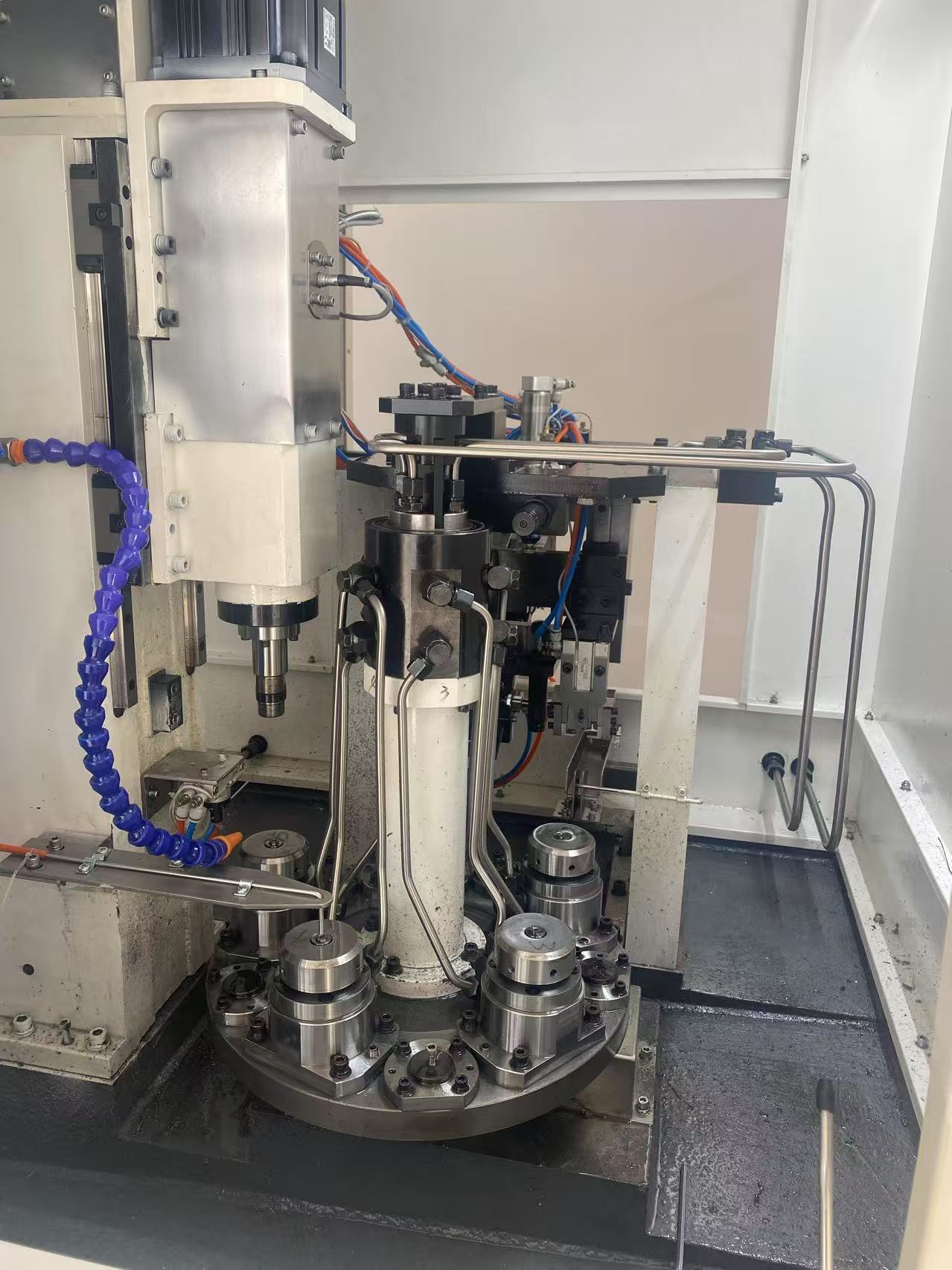
Tapping, drilling, boring, thread milling, deburring, indexing, and automated loading can be combined based on the part route.

AutomationHow much labor can be removed?

Machines can be configured from manual loading to vibration-bowl plus robot-assisted transfer.

PrecisionHow stable is the result?

Servo control, indexing heads, alarm functions, and enclosed protection improve repeatability and operator safety.

DeliveryHow is the project executed?

We align process review, technical proposal, parameter confirmation, FAT support, and export handover in one flow.

Project service workflow

We support each project from early-stage review and technical definition through build validation and export delivery.

01

Part and process review

We evaluate drawings, target operations, material, takt time, and automation expectations before proposing a machine route.

02

Technical proposal

We define structure, clamping, spindle choice, indexing, control system, safety enclosure, and optional feeding units.

03

Build and validation

Manufacturing, assembly, debugging, and sample validation are aligned with agreed parameters and acceptance targets.

04

Export and support

We prepare export delivery, remote communication, and commissioning coordination for your production launch.

What we can configure

  • Machine structure. Vertical, horizontal, rotary indexing, or dedicated transfer layouts according to your part geometry and process sequence.
  • Workholding. Collets, self-centering clamping, hydraulic fixtures, tail support, and custom datum schemes.
  • Automation level. Manual loading, semi-automatic handling, vibration bowl feeding, robot transfer, or connected upstream and downstream modules.
  • Control preference. Configuration can be aligned with preferred CNC, PLC, servo, and electrical component brands where project scope requires it.

Key project factors

  • Process definition What operations must be completed on one machine, and what should remain upstream or downstream.
  • Cycle time target Whether the project is capacity-driven, labor-saving, or focused on process stability and repeatability.
  • Utility conditions Power supply, air pressure, plant space, and destination-country requirements that affect final configuration.
  • Validation scope Sample parts, acceptance criteria, and pre-shipment review expectations before delivery.

Start with your drawing, sample part, or target capacity

For faster proposal turnaround, send the part drawing, material, dimensional tolerance, expected output, and whether you need manual, semi-automatic, or full automatic loading.

Suggested inquiry checklist

  • Workpiece material, size range, and annual demand
  • Required operations and sequence
  • Target cycle time and staffing plan
  • Preferred control system or component brand
  • Destination country and power standard